How to Check Older Homes for Hidden Hazardous Materials
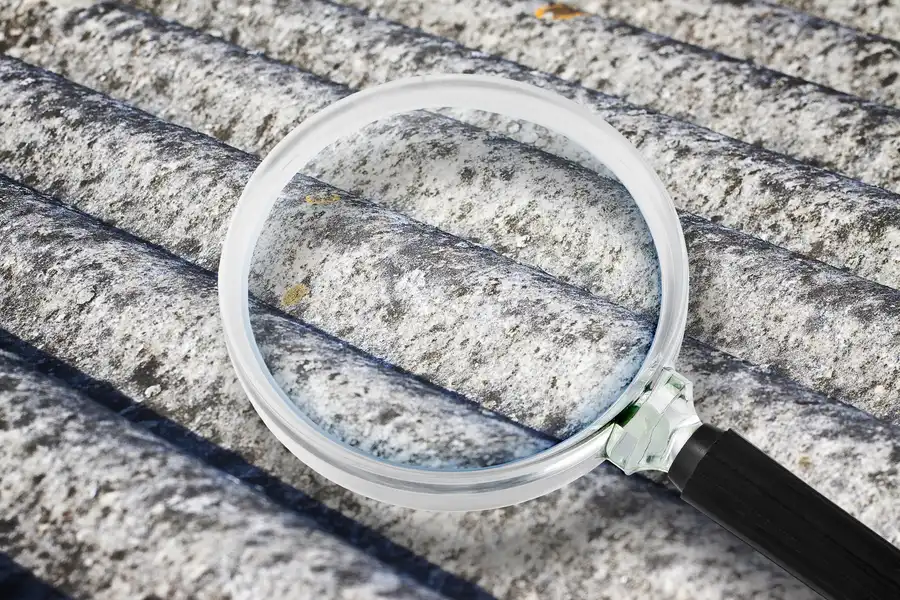
If your home was built before the 1980s, asbestos testing is one of the safest steps you can take before remodeling or repairs. Many older residential properties used asbestos in insulation, flooring, siding, and ceilings. You cannot see or smell these fibers. The only way to know if asbestos is present is through proper testing. This helps protect your family from breathing in harmful dust during renovation or damage.
What You Need Before Getting Started
Before you schedule asbestos testing, gather basic information about your home. Find out the year it was built. Check if any past renovations removed old materials. Walk through the home and note damaged areas like cracked tiles or crumbling insulation.
You will also need:
- Access to areas like the attic, basement, and crawl spaces
- Information about past water damage or fire damage
- A plan for any upcoming remodel or demolition
This helps a testing professional focus on the most likely problem spots.
Step-by-Step Process of Asbestos Testing
Testing for asbestos follows a careful process. This keeps fibers from spreading into the air.
- Visual inspection: A trained inspector checks building materials that may contain asbestos.
- Sample collection: Small pieces of suspect material are lightly sprayed to reduce dust, then placed in sealed containers.
- Laboratory analysis: The samples go to a certified lab for testing under a microscope.
- Written report: You receive a report explaining whether asbestos is present and what steps are recommended.
Common materials tested in older homes include:
- Popcorn ceilings
- Vinyl floor tiles and adhesive
- Pipe insulation
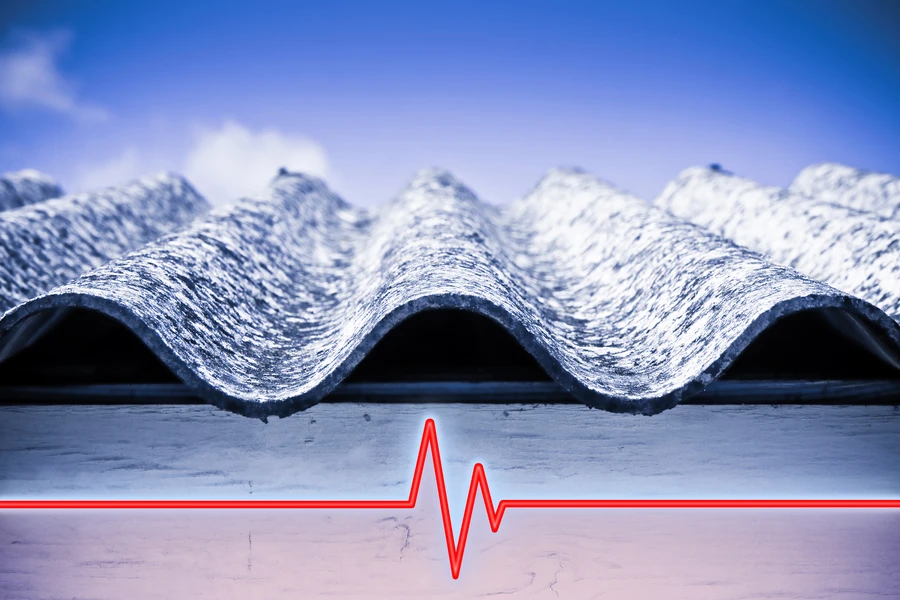
- Roof shingles and siding
- Old HVAC duct wrap
This process is part of professional asbestos testing and should never involve sanding or breaking materials apart.
Common Mistakes to Avoid
Many homeowners make simple mistakes that increase risk. One common error is trying to take samples without training. Cutting or scraping materials can release fibers into the air. These fibers stay airborne for a long time and are unsafe to breathe.
Another mistake is assuming a material is safe because it looks solid. Asbestos is only dangerous when disturbed, but even small repairs can disturb it. Drilling into an old ceiling or removing tile for new flooring can release fibers without warning.
Some people also skip testing before renovation because the house looks clean. Age is the main risk factor, not appearance.
When to Call a Professional
You should call for asbestos testing if:
- Your home was built before 1980 and you plan to remodel
- You see damaged insulation or ceiling material
- You are buying or selling an older property
- Your home had past storm or water damage
Licensed professionals follow strict safety rules. They use protective gear and sealed containers. They also know state and federal regulations for handling hazardous materials. If asbestos is found, they can explain safe removal options or ways to leave it undisturbed if it is not damaged.
Final Recommendation
Asbestos testing gives peace of mind before repairs or upgrades in older residential properties. It helps prevent accidental exposure and costly cleanup later. If you live in Chester, PA and have concerns about aging building materials, we can help. At All Construction Services LLC, our team handles inspections with care and clear reporting. Call (610) 673-0769 to schedule testing or ask questions about your property. We are here to provide safe, reliable service for your home.