Clearing Mold Safely Lowers Exposure to Harmful Fibers and Contaminated Air
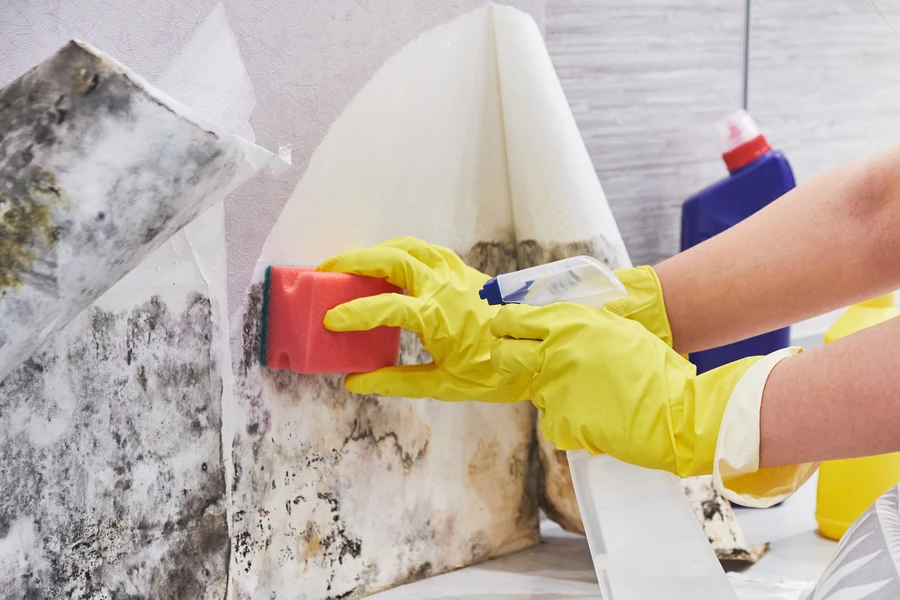
Mold removal reduces health risks in asbestos areas by stopping the spread of dampness, limiting airborne particles, and preventing asbestos fibers from becoming disturbed. When mold grows on or near materials that contain asbestos, the cleanup process must be handled with care. If not, both mold spores and asbestos fibers can enter the air. Breathing in either one can lead to serious health problems, especially for children, seniors, and people with asthma.
Quick Diagnosis Summary
If you see mold in a building that was built before the 1980s, there is a chance asbestos materials are nearby. Older floor tiles, pipe insulation, ceiling tiles, and wall boards may contain asbestos. When these materials get wet, mold can grow on or around them. At that point, simple scrubbing is not safe. The area needs proper mold removal and may require asbestos abatement to avoid spreading fibers.
Common Symptoms
People in these spaces often report health issues that seem minor at first. Over time, they may get worse.
- Stuffy or runny nose
- Red or itchy eyes
- Dry cough or wheezing
- Skin rashes
- Headaches and fatigue
Mold spores can trigger allergies and asthma attacks. Asbestos fibers, when inhaled, can stay in the lungs for years. Long-term exposure has been linked to serious lung disease. When both are present, the air quality may decline fast.
Likely Causes
The main cause is moisture. Leaks, floods, and high humidity create the right setting for mold growth. In older buildings, water can soak into asbestos-containing materials. Once wet, these materials break down more easily.
Common sources of moisture include:
- Roof leaks after storms
- Burst or aging plumbing pipes
- Poor bathroom or kitchen ventilation
- Basement flooding
When these problems are not fixed quickly, mold spreads behind walls, under floors, and above ceilings. If those areas contain asbestos, disturbing them during cleanup increases the risk.
What to Check First
Start by looking at the age of the building. If it was built before asbestos bans took effect, treat damaged materials with caution. Do not cut, sand, or break anything that might contain asbestos.
Next, locate the moisture source. Ask:
- Is there an active leak?
- Has the area flooded recently?
- Is humidity above 60 percent?
Stopping water intrusion is the first step. Without fixing moisture, mold will return even after cleaning.
Safe Fixes Vs Pro-Level Fixes
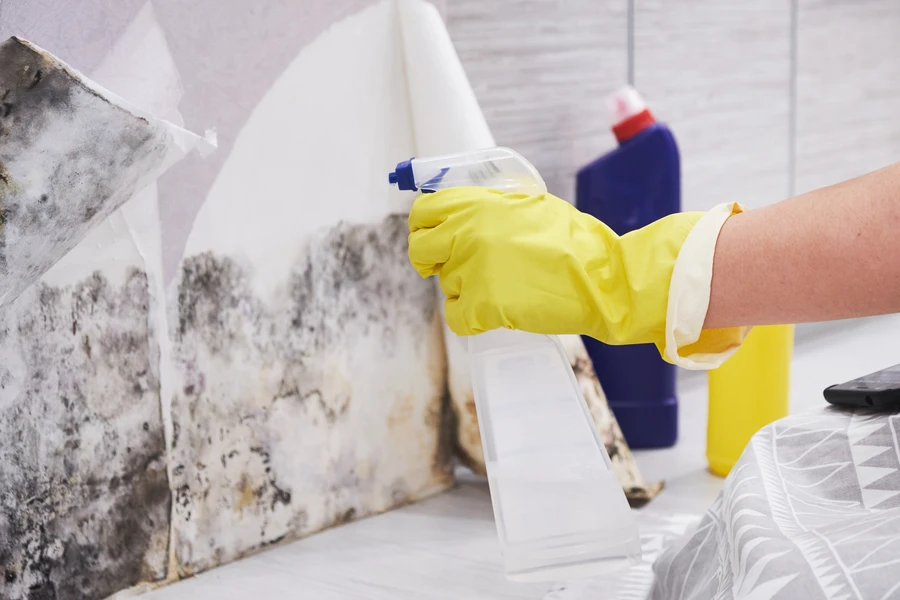
Small mold spots on non-asbestos surfaces may be cleaned with proper safety gear. This can include gloves, goggles, and a mask rated for mold spores. The surface must be fully dried afterward.
However, if mold is growing on materials that may contain asbestos, this is not a DIY job. Cutting drywall, removing old tiles, or scraping insulation can release hidden fibers.
Professional mold removal in asbestos areas often includes:
- Sealing off the work area with plastic barriers
- Using negative air machines with HEPA filters
- Careful removal of contaminated materials
- Safe disposal following local rules
In some cases, certified asbestos abatement is required before or during mold cleanup. This lowers the chance of fibers spreading to other rooms.
Prevention Tips
Preventing mold growth is the best way to lower risk in asbestos areas.
- Fix leaks right away
- Use dehumidifiers in damp basements
- Vent bathrooms and kitchens to the outside
- Inspect older insulation and tiles for damage
Keep indoor humidity between 30 and 50 percent. Check hidden spaces like crawl spaces and attics at least once a year. If you plan repairs in an older building, test materials first so you know what you are dealing with.
Talk With a Qualified Team About Safe Remediation
If you live in Chester, PA and suspect mold growth in an older structure, acting early protects your health. At All Construction Services LLC, we handle mold removal in spaces where asbestos may also be present, using proper containment and safe work practices. We work as a team to reduce airborne risks and protect every room in your property. Call (610) 673-0769 to schedule an inspection and talk with us about the safest next step for your building.