How to Remove Mold Safely While Protecting Older Building Materials
Safe mold removal in older properties starts with careful prep, the right safety gear, and a clear step-by-step plan. Many older homes have fragile materials like plaster, wood lath, and outdated insulation. These parts can break down fast if handled the wrong way. A safe approach helps contain mold, protect air quality, and prevent damage to the structure.
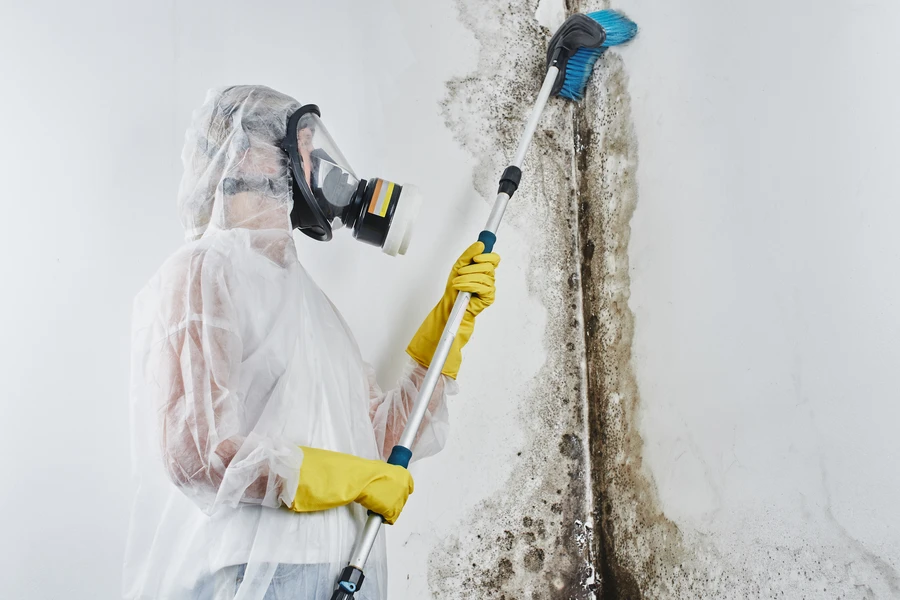
What You Need Before Starting
Before you begin mold remediation, gather the right tools and safety items. Older properties may also have lead paint or asbestos, so testing may be needed before any work starts.
- N95 or higher respirator mask
- Gloves that resist chemicals
- Eye protection
- Disposable coveralls
- Plastic sheeting and tape for containment
- HEPA vacuum
- Moisture meter
Turn off your HVAC system to stop mold spores from spreading. Seal vents and doorways with plastic. Open windows if weather allows. Good airflow helps reduce moisture during cleanup.
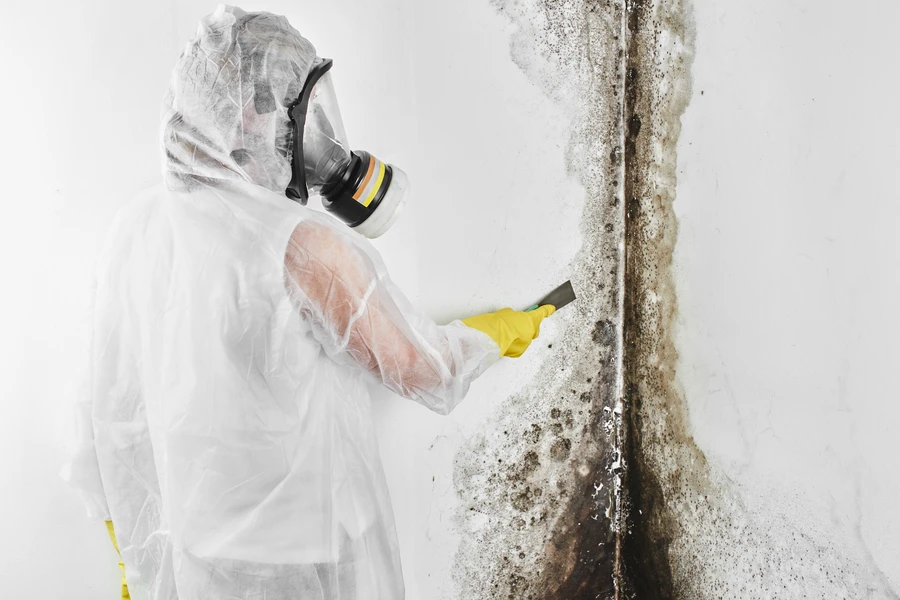
Step-by-Step Mold Remediation Process
Follow these steps to handle mold safely in an older home:
- Find and fix the water source. Check for roof leaks, pipe drips, or poor drainage. Mold will return if moisture is not controlled.
- Isolate the area. Use plastic barriers to contain spores. This keeps other rooms safe.
- Remove damaged materials. Porous items like drywall and old insulation often need to be removed and sealed in heavy bags.
- Clean solid surfaces. Scrub wood beams or framing with a mold-safe cleaner. Do not soak the area. Older wood absorbs water easily.
- Dry the space fully. Use fans and dehumidifiers. Check moisture levels with a meter before rebuilding.
- HEPA vacuum the area. This picks up tiny spores left behind.
Take your time with each step. Rushing can lead to cross-contamination or added damage to historic features.
Common Mistakes to Avoid
Mistakes during mold remediation can create safety risks or make the problem worse. Watch out for these common issues:
- Using bleach on porous materials like wood or plaster
- Painting over mold without cleaning it
- Skipping containment barriers
- Ignoring hidden areas behind walls or under floors
- Starting work without checking for lead paint or asbestos
Older homes often have layers of past repairs. Mold may hide under paneling, behind cabinets, or inside crawl spaces. Always inspect beyond the surface stain.
When to Call a Professional
Small patches of mold on non-porous surfaces may be handled by a skilled homeowner. But large areas, strong musty odors, or mold tied to sewage problems require expert help.
You should also call for help if:
- The mold covers more than 10 square feet
- You see structural wood damage
- Family members have asthma or strong allergies
- The property is historically protected
Professional mold remediation teams use commercial air scrubbers, negative air machines, and safe disposal methods. They also document the process, which is helpful for insurance claims or real estate sales. Working with a trained crew lowers health risks and protects the value of older properties.
Final Recommendation and Next Steps
Older homes have character and history, but they also need careful handling during mold cleanup. Always fix moisture problems first. Use proper safety gear. Contain the work area and dry all materials fully before repairs begin. If the job feels too large or involves hidden damage, expert help is the safer choice. Residents in Chester, PA can contact All Construction Services LLC for professional mold remediation support. We handle older properties with care and respect for original materials. Call us at (610) 673-0769 to schedule an inspection or speak with our team about your mold concerns.