Why Removing Mold Is a Key Step Before and During Asbestos Work
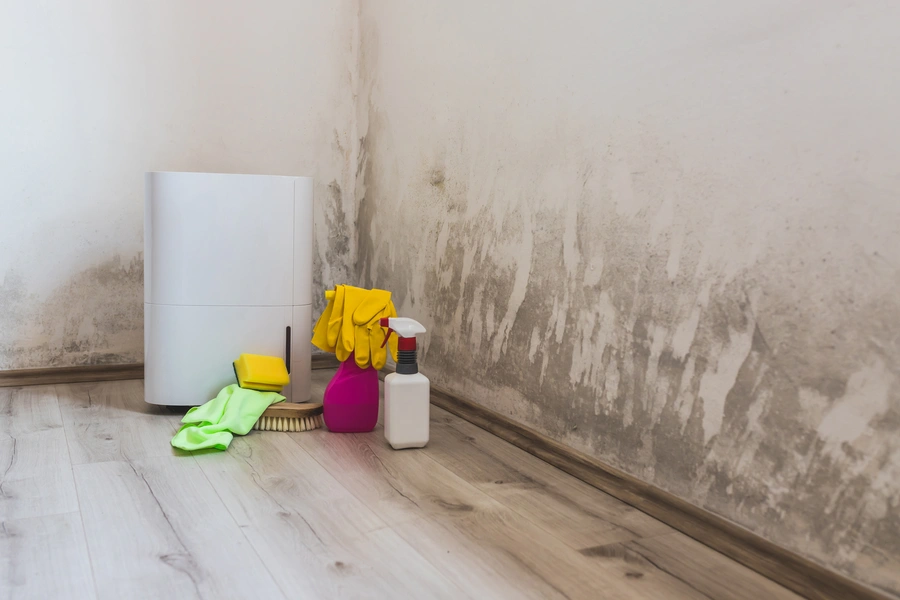
The role of mold removal in safe asbestos abatement is to control moisture, improve air quality, and prevent cross-contamination during cleanup. When mold and asbestos are present in the same space, both must be handled with care. Mold often points to water damage, and moisture can disturb asbestos fibers. Removing mold the right way helps create safer conditions before asbestos work begins.
What You Need Before Starting
Homes and buildings with asbestos often have old pipes, insulation, floor tiles, or ceiling materials. If water damage has been present, mold may grow in the same areas. Before any work starts, proper testing and planning are needed.
Here is what should happen first:
- Professional testing to confirm asbestos-containing materials
- Moisture inspection to find leaks or damp areas
- Mold inspection to measure growth and air quality
- A written work plan that covers both mold removal and asbestos abatement
Without these steps, workers may spread mold spores or asbestos fibers through the air. That can put occupants at risk.
Step-by-Step Process for Safe Coordination
Handling mold and asbestos in the same area requires the right order of work. Each project is different, but most follow a similar path.
- Seal off the work area with plastic sheeting and negative air machines.
- Shut down HVAC systems to stop particles from spreading.
- Fix active leaks or moisture sources.
- Remove mold-damaged materials that do not contain asbestos.
- Stabilize or contain asbestos materials before disturbing them.
- Perform asbestos abatement using approved containment methods.
- Clean the area with HEPA vacuums and damp wiping techniques.
- Run air clearance tests before reopening the space.
This order helps lower the chance that mold spores attach to asbestos fibers or that wet conditions loosen dangerous particles.
Common Mistakes to Avoid
Some property owners try to clean mold first without checking for asbestos. This can be dangerous. Scraping, sanding, or tearing out materials may release fibers into the air.
Other common mistakes include:
- Using regular shop vacuums instead of HEPA systems
- Spraying water into areas with asbestos insulation
- Mixing debris from mold removal with asbestos waste
- Skipping proper disposal procedures
Mold Removal is not just about wiping away visible growth. It includes containment, air control, and safe disposal. When asbestos is part of the picture, every step must meet safety rules.
When Mold Makes Asbestos Risk Worse
Mold grows where moisture is present. Water can weaken ceiling tiles, drywall, and insulation. If these materials contain asbestos, they can break apart more easily. That increases the chance of airborne fibers.
For example, an old basement pipe wrapped in asbestos insulation may develop a slow leak. Over time, mold grows on nearby wood framing. The damp insulation becomes soft. If someone pulls it down without proper steps, both mold and asbestos can spread.
This is why Mold Removal often plays a supporting role in asbestos abatement. Fixing the moisture problem protects the work area and keeps materials stable.
When to Call a Professional
If you suspect both mold and asbestos in your home or building, do not attempt repairs yourself. Warning signs include:
- Musty odors along with old insulation or floor tiles
- Flaking pipe wrap in damp areas
- Water-damaged ceilings in older homes
- Visible mold on materials installed before 1980
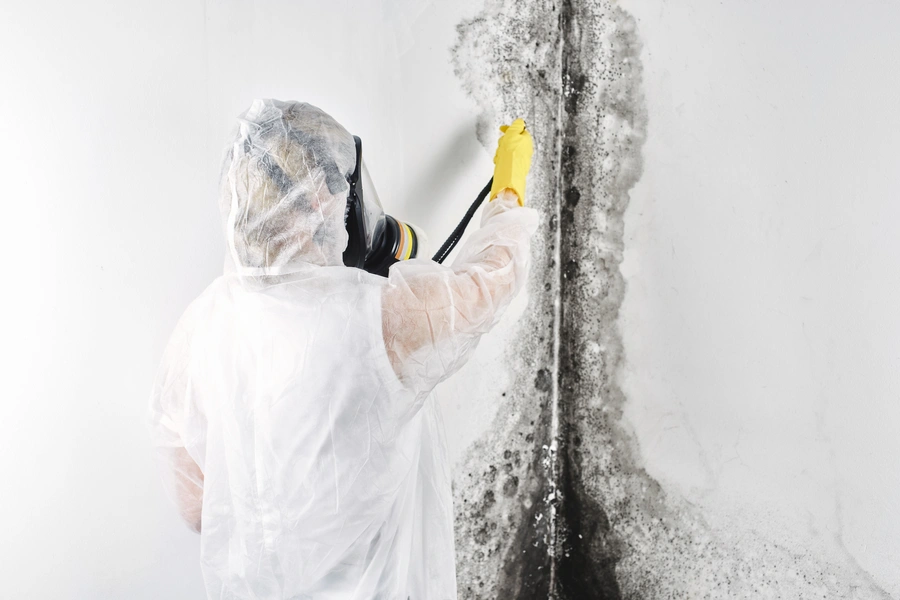
Licensed crews are trained to handle mold removal and asbestos abatement together. They use protective suits, respirators, sealed containment zones, and air filtration units. They also follow disposal laws that keep waste out of normal landfills.
Trying to fix one issue without checking for the other can make a small problem much worse.
Final Recommendation and Local Support
If your property in Chester, PA has signs of water damage along with older building materials, it is smart to schedule an inspection. At All Construction Services LLC, we handle mold removal and asbestos abatement with careful planning and strict safety controls. We separate work zones, control airflow, and address moisture at the source so problems do not return. Our team is ready to answer your questions and help you plan the safest path forward. Call us at (610) 673-0769 to set up an evaluation and protect your space the right way.